Body-specific assessment
Why the truck's application matters
Two trucks with the same cab and engine can have different practical values when one carries a serviceable tipper and the other has a damaged, leaking pantech. Body age, dimensions, mounting, hydraulics, electrical systems, certification and market demand all influence the likely next use.
When requesting a quote, name both the cab-chassis and body. Include equipment plates and explain whether the fitted system operates. That allows the complete asset to be assessed rather than treating every vehicle as generic scrap.
Common applications
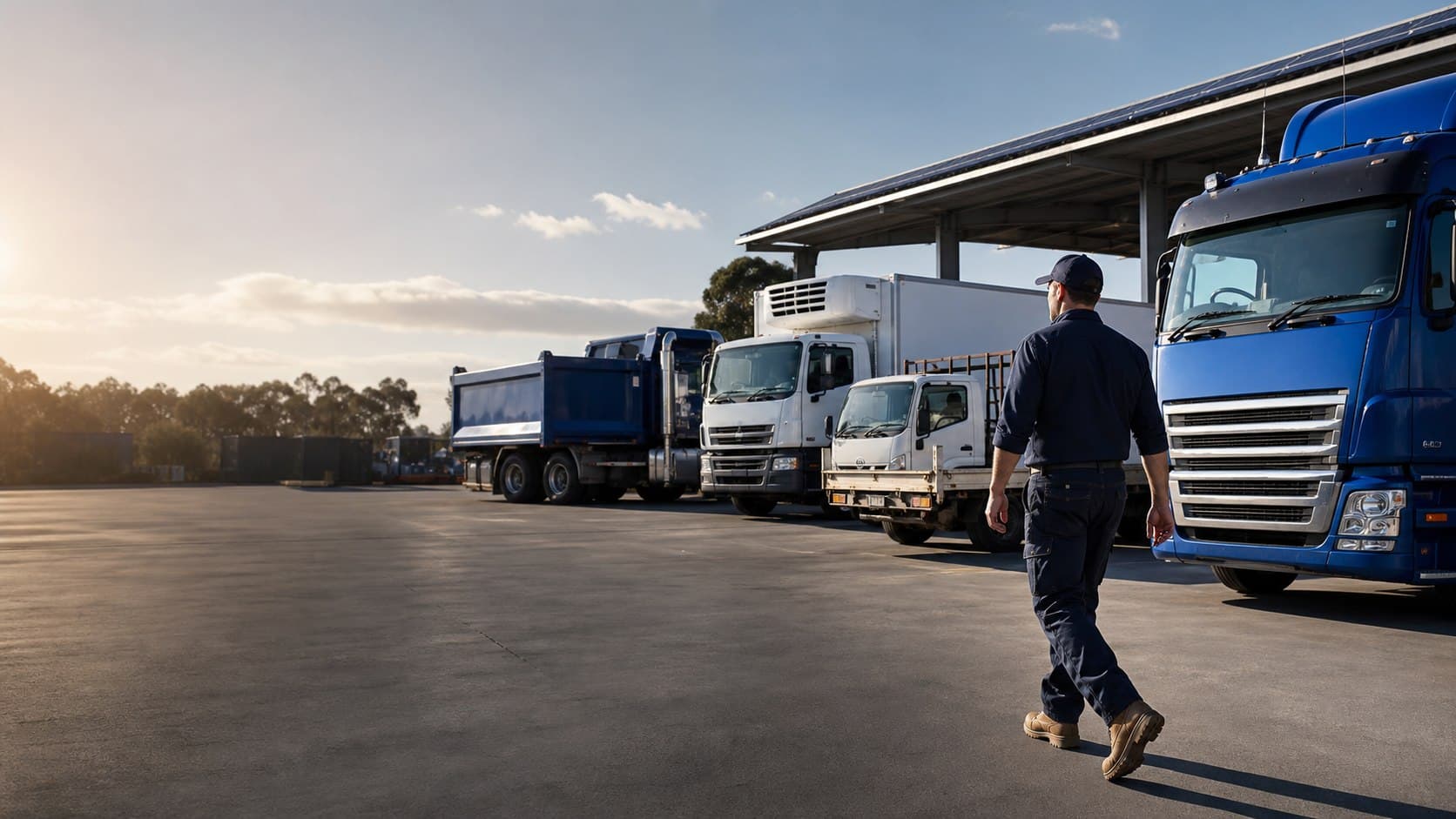
Rigid and specialised trucks considered
Tipper and dump trucks
Steel and alloy bodies, single- and multi-axle configurations, hydraulic hoists, tailgates and site-work vehicles.
Pantech and box trucks
Furniture, parcel and general-freight bodies, including tail lifts, roller doors, side doors and damaged box structures.
Refrigerated trucks
Insulated bodies and refrigeration units assessed by body integrity, unit identity, operating status, hours and temperature application.
Tray and flatbed trucks
Steel, alloy and timber trays with gates, racks, toolboxes, loading ramps, tie-downs and removable accessories.
Crane and service trucks
Vehicle-mounted cranes, compressors, pumps, tool bodies and field-service fit-outs with available equipment records.
Concrete and agitator trucks
Agitator barrels, hydraulics, chutes, water systems and heavy rigid cab-chassis assessed in operating or end-of-life condition.
Tow and recovery trucks
Tilt trays, wheel lifts, winches and recovery bodies assessed with their controls, hydraulics, ratings and known equipment faults.
Prime movers
Single- and multi-drive prime movers from major makes, with or without trailers, in fleet, high-kilometre or damaged condition.
Other commercial vehicles
Beyond standard road-freight trucks
We also assess selected buses, 4x4 commercial vehicles, farming trucks, camper vehicles, forklifts and unusual cab-chassis applications. Specialised equipment needs more information because its value may depend on certification, operating hours, attachments and the market for the complete unit.
Body details
What to photograph and record
- Complete cab-chassis from every side
- Body builder and equipment plates
- Internal floor, walls and roof
- Hydraulic cylinders, hoses and controls
- Tail lift, crane or refrigeration unit
- Rust, cracks, impact and water damage
- Body dimensions and capacity
- PTO and auxiliary operating status
- Keys, remotes and attachments
- Inspection and service records
Makes considered
Major Japanese, European and American truck brands
The site includes dedicated information for Isuzu, Hino, Mitsubishi Fuso, UD, Mazda, Daihatsu, Iveco, MAN, DAF, Volvo, Scania, Mack, Kenworth and Ford trucks. Brand-specific component demand can matter, but condition, specification and body application remain essential to the assessment.
Older and discontinued models are not automatically excluded. Send the identification plates and a clear description, especially when badges, engines or bodies have been changed during the truck's working life.
Condition
Working, surplus, damaged and incomplete trucks
A body type does not need to be fully operational before you contact us. Explain separate faults clearly: for example, a truck may drive but have a failed tail lift, or have a seized engine while its refrigerated body remains sound. Separating cab-chassis and body condition produces a more useful assessment.
If attachments or loose parts are included, photograph and list them. If they belong to another asset, remove them before collection to avoid uncertainty at handover.